






Electrical installation

Contents |
[edit] Introduction
The term ‘electrical Installation’, with regards to electrical systems in buildings, may be considered as a verb or as a noun.
[edit] Electrical installation as a verb
Considering it firstly as a verb, electrical installation describes the physical work involved in installing electrical systems into a building.
Electrical installation work in this respect comprises all relevant activities, usually but not always limited to:
- Preparation work – such as cutting of holes, provision of fixings and supports.
- Physical installation of electrical wiring systems onto and within the building structure.
- Testing or wiring systems (usually for insulation resistance and to check for any damage).
- Installation of electrical equipment and its connection.
- Testing of electrical wiring and equipment – normally for compliance with BS 7671 (IET Wiring Regulations) Part 6 requirements.
- Production and issue of test certification and other handover documentation such as operation and maintenance details.
- Making good of finishes, sealing of holes and penetrations and particularly the provision of passive fire stopping in relation to this.
Stages 1 and 2 are often referred to in the trade as first fix activities, and usually precede the work of other trades such as plaster boarding, plastering, drylining, etc.
Stages 3 to 7 are then referred to as second fix activities and follow the work of other trades - often when cables have been concealed within the fabric of a building.
It is for this reason that best practice should be to test some of the wiring, usually for insulation resistance, before the connection of any equipment.
Note - The complete act of installation as defined above will often fall under different contracted parties. It is vital to establish clear boundaries and contract responsibilities before work is undertaken, particularly in areas such as building works, making good and fire stopping.
[edit] Electrical installation as a noun
Electrical installation as a noun is defined in BS 7671 as: ‘An assembly of associated electrical equipment having co-ordinated characteristics to fulfil specific purposes.’
Note also that BS 7671 defines ‘Electrical equipment’ as: ‘Any item for such purposes as generation, conversion, transmission, distribution or utilisation of electrical energy, such as machines, transformers, apparatus, measuring instruments, protective devices, wiring systems, accessories, appliances and luminaires.
As such, the electrical installation within a building would be the collective noun used to describe all of the aforementioned items.
--ECA
[edit] Related articles on Designing Buildings
- 18th Edition Wiring Regulations.
- Articles about electricity.
- BS 7671.
- Changing lives with the Practical Participation Programme
- Consumer electronics.
- Consumer units.
- Data cables and the CPR.
- ECA articles.
- Electrical appliance.
- Electrical component.
- Electrical conduit.
- Electrical consumption.
- Electrical energy.
- Electrical equipment.
- Electrical installation.
- Electrical power.
- Electrical safety.
- Electrical system.
- Electrical wiring
- Electrician.
- Electricity supply.
- Glossary of electrical terms.
- Industry backs leading fire and security awards.
- Modular housing and electrical circuitry.
Featured articles
Check out some of the best features and news from Designing Buildings as well as key stories from around the web.

Guidance for conversion of traditional pre-1919 stone buildings.
Industrial heritage in the Ruhr

A marked difference to the fate of industrial landscapes in the UK.
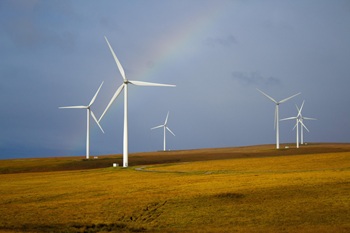
Communities will be able to build their own clean energy.
Why diversity and inclusion matters for SMEs

CIOB’s D&I Charter shows how practical changes can support long-term growth.
Cut electricity bills to power growth
Coalition sends joint letter to the Chancellor.

Gasholders: a history in pictures. Book review.
Recognition, influence and growth

SocEnv identifies three strategic pillars in new strategy to 2045.
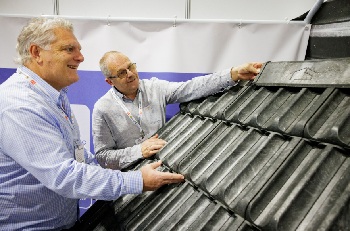
Discover the future of roofing, cladding and insulation.
New guidance for professional practice, cultural change and regulation in social housing.
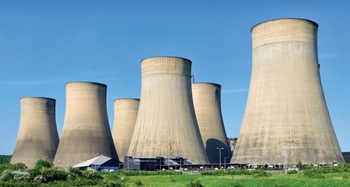
The heritage of nuclear and conventional power stations.
New measures to stop people being ripped off

Government to protect families from cowboy builders and aggressive bailiffs.
New Futurebuild showcase brings an innovation-first approach.